Beta Glucan
Beta glucan sounds like a complicated skincare ingredient, but the basic idea is simple.
Beta glucan is a naturally occurring type of carbohydrate that can help hydrate the skin, support the skin barrier and keep dry or sensitive skin feeling more comfortable.
You may have heard of beta glucan in relation to oats and barley, but different forms of beta glucan are also found in yeast, fungi, algae and other natural sources. In skincare, it is valued primarily for its hydrating and barrier-supporting properties.
If your skin often feels dry, tight, sensitive or easily irritated, beta glucan is an ingredient worth knowing about.
What is beta glucan?

Beta glucans are a type of polysaccharide, which means they are carbohydrates made up of sugar molecules.
They occur naturally in the cell walls of certain organisms and are found in sources including:
- Oats
- Barley
- Yeast
- Fungi
- Algae
- Lichen
- Some bacteria
Beta glucan can be consumed through foods such as oats and barley, but it is also used in skincare products such as serums, moisturisers and essences.
The form and source of beta glucan matter because different beta glucans can have different properties. In skincare, the ingredient is particularly interesting because of its ability to attract and retain moisture while supporting the skin barrier.
What does beta glucan do for skin?
The main skincare benefits of beta glucan are hydration, moisture retention and skin barrier support.
Here's a closer look.
1. Beta glucan helps hydrate the skin
Beta glucan acts as a humectant.
A humectant is an ingredient that helps attract and hold water, helping the skin maintain hydration.
When your skin is properly hydrated, it can feel softer and more comfortable and look smoother and plumper.
This is particularly useful if your skin tends to feel:
- Tight after cleansing
- Dry or flaky
- Dehydrated
- Rough or uncomfortable
- Dull
Beta glucan is often discussed alongside other well-known hydrating ingredients, such as hyaluronic acid, because both can help support skin hydration.
For a simple explanation: beta glucan helps your skin hold onto moisture.
2. It supports the skin barrier
Your skin barrier is your skin's outer protective layer.
One of its most important jobs is helping to keep moisture in while protecting your skin from external environmental stressors.
When the barrier is compromised, skin can become dry, tight, rough or more reactive.
Beta glucan can help support the skin barrier and improve the skin's ability to maintain hydration.
That's one reason it is particularly interesting for dry and sensitive skin.
If your skin is already feeling stressed, the goal isn't necessarily to throw more active ingredients at it. Sometimes the better approach is to focus on hydration and barrier support first.
3. Beta glucan can help calm the look of irritated skin
Dryness and a compromised skin barrier can contribute to skin that looks red or feels uncomfortable.
By helping support the barrier and maintain hydration, beta glucan can help skin feel calmer and more comfortable.
This makes it a useful ingredient to look for when choosing skincare for sensitive, dry or easily irritated skin.
It is also a good example of why skincare doesn't always have to be about strong actives.
Sometimes supporting the basics of healthy skin is just as important.
4. It can help skin look smoother and plumper
Hydrated skin generally looks smoother and more supple.
When the skin is dehydrated, fine lines can appear more noticeable. Improving hydration can help skin look temporarily plumper and smoother.
Beta glucan is therefore often included in skincare designed around hydration and visible signs of ageing.
It isn't a miracle anti-ageing ingredient, but it can be a useful part of a routine designed to keep skin hydrated, comfortable and healthy-looking.
Beta glucan vs hyaluronic acid
So, is beta glucan better than hyaluronic acid?
Not necessarily. They're different ingredients that can both support skin hydration.
Hyaluronic acid is best known for its ability to attract and hold water. Beta glucan also has humectant properties, while additionally being valued for its role in supporting the skin barrier.
That means you don't necessarily have to choose one or the other.
A well-formulated skincare routine can contain several complementary ingredients that support hydration in different ways.
The important thing is the overall formula, not simply whether one ingredient is more impressive than another.
Frequently Asked Questions About Beta Glucan
What is beta glucan?
Beta glucan is a naturally occurring polysaccharide, or carbohydrate, found in sources such as oats, barley, yeast, fungi and algae. In skincare, it is primarily used for its hydrating and skin-barrier-supporting properties.
What does beta glucan do for your skin?
Beta glucan acts as a humectant, helping the skin attract and retain moisture. It can also support the skin barrier and help dry or sensitive skin feel more comfortable.
Is beta glucan good for sensitive skin?
Beta glucan can be a useful ingredient for sensitive skin because it supports hydration and the skin barrier. As with any skincare ingredient, individual tolerance varies.
Is beta glucan better than hyaluronic acid?
Not necessarily. Both ingredients can support skin hydration, but they work differently and can be used together in a well-formulated skincare routine.
Can you use beta glucan every day?
Beta glucan is commonly used in daily skincare products and can generally be incorporated into a morning or evening routine. Always follow the directions for the specific product you're using.
Does beta glucan help dry skin?
Yes. Beta glucan's humectant properties can help attract and retain moisture, making it a useful ingredient for dry or dehydrated skin.
Does beta glucan help the skin barrier?
Beta glucan is valued in skincare for its ability to support the skin barrier and help maintain hydration, which can be particularly useful when skin feels dry, tight or irritated.
Is beta glucan anti-ageing?
Beta glucan can support an anti-ageing routine by helping maintain skin hydration and a healthy barrier. Hydrated skin can look smoother and more supple, but beta glucan should be considered a supporting ingredient rather than a standalone anti-ageing treatment.
Is beta glucan good for sensitive skin?
Beta glucan can be a useful ingredient for sensitive skin because it focuses on hydration and barrier support rather than aggressive exfoliation.
If your skin is sensitive, dry or easily irritated, look for formulas that combine hydrating and barrier-supporting ingredients with a gentle overall formulation.
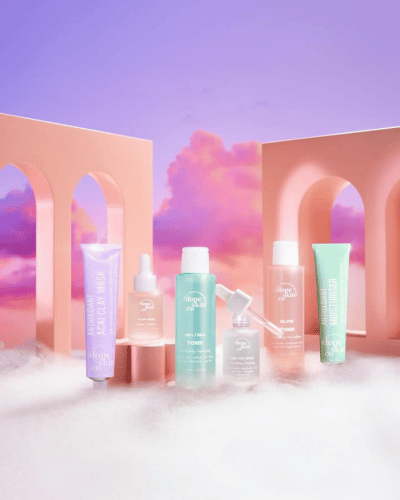
For a routine designed around calming and hydration, you can explore our 3-Step Calming Skin Kit, which is formulated for dry, irritated and stressed skin.
You can also pair a gentle cleanser with hydrating products. Our Antioxidant Gel Cleanser is designed to remove makeup, oil and buildup without leaving skin feeling tight or stripped.
Beta glucan for dry and dehydrated skin
If your skin constantly feels thirsty, beta glucan may be worth adding to your routine.
But there's an important distinction between dry skin and dehydrated skin.
Dry skin generally refers to a lack of oil, while dehydrated skin refers to a lack of water.
Either way, a routine that supports hydration and the skin barrier can help improve how your skin looks and feels.
A hydrating serum can be particularly useful here. Our Calming Collagen Serum is designed to hydrate, plump and calm the skin.
The key is consistency. Give your skin a routine it can tolerate and stick with it rather than constantly changing products.
Can beta glucan help with ageing skin?
Hydration is an important part of an anti-ageing skincare routine.
As skin becomes less able to retain moisture, dehydration can make fine lines and uneven texture more noticeable.
Beta glucan can help maintain hydration, which can make skin look smoother and more supple.
For ageing skin, however, beta glucan shouldn't be viewed as a replacement for proven active ingredients. Think of it as a supporting ingredient that helps keep the skin hydrated and comfortable.
That distinction matters.
Good anti-ageing skincare isn't just about adding more actives. It's also about maintaining a healthy skin barrier so your routine remains comfortable enough to use consistently.
Can you use beta glucan every day?
Beta glucan is commonly used in daily skincare because its primary role is hydration and barrier support.
It can fit into either a morning or evening routine and can be used alongside other skincare ingredients, depending on the individual formula.
A simple routine might look like:
Morning
- Gentle cleanser
- Hydrating serum
- Moisturiser
- SPF
Evening
- Cleanser
- Treatment serum
- Hydrating serum or moisturiser
You don't need a complicated routine to support healthy-looking skin.
Is beta glucan safe?
Beta glucan is generally considered a well-tolerated skincare ingredient.
However, any skincare ingredient can potentially cause irritation or an allergic reaction in an individual person.
If you're introducing a new product, patch testing is a sensible precaution, particularly if your skin is sensitive or reactive.
If you experience persistent irritation, discontinue use and speak with a qualified healthcare professional.
Where does beta glucan come from?
Beta glucan isn't a single ingredient from a single source.
Different types are found naturally in different organisms.
Common sources include:
Oats and barley: Often associated with dietary beta glucans.
Yeast: A common source of beta glucan used in cosmetic and skincare formulations.
Fungi and mushrooms: Another natural source of beta glucans.
Algae: Certain algae also contain beta glucans.
The structure of the beta glucan can vary depending on its source, which is one reason different beta glucans can behave differently.
Is beta glucan natural?
Yes. Beta glucans occur naturally in a range of organisms and plants.
However, "natural" doesn't automatically mean better or safer.
What matters for skincare is the specific ingredient, its concentration, the rest of the formulation and how your skin responds to it.
This is why ingredient lists are more useful than simply looking for a "natural" label.
Beta glucan: the bottom line
Beta glucan might have a technical name, but its role in skincare is fairly straightforward.
Beta glucan helps hydrate the skin, retain moisture and support the skin barrier.
That makes it particularly useful in skincare designed for:
- Dry skin
- Dehydrated skin
- Sensitive skin
- Easily irritated skin
- Skin that feels tight or uncomfortable
- Routines focused on hydration and healthy-looking ageing skin
It's also a good reminder that effective skincare doesn't always need to be complicated.
A strong skincare routine starts with keeping your skin hydrated and supporting its natural barrier.