Sunflower Seed Oil in Skincare: What It Does and Why We Use It
Sunflower seed oil is a dependable, softening plant oil with real human data behind it. In a small forearm study it preserved the skin barrier and improved hydration, while olive oil did the opposite. It is an easy ingredient to like, especially if your skin runs dry.
What is sunflower seed oil?
Sunflower seed oil (INCI: Helianthus Annuus Seed Oil) is a vegetable oil taken from sunflower seeds. It is one of 244 plant-derived fatty acid oils the Cosmetic Ingredient Review (CIR) Expert Panel assessed in 2017, which describes them as skin conditioners, occlusives, emollients and moisturisers.
What does sunflower seed oil do for skin?
As an emollient it softens skin and smooths the surface. As a mild occlusive it forms a layer that slows water loss.
There is also direct human evidence. A 2013 study in Pediatric Dermatology ran forearm experiments in 19 adult volunteers.
Over four weeks of twice-daily use, sunflower seed oil preserved the skin's outer layer, caused no redness and improved hydration, while olive oil reduced its integrity and caused mild redness. It was a small study on adult forearms, so treat it as a useful signal rather than a final answer.
Why we use sunflower seed oil
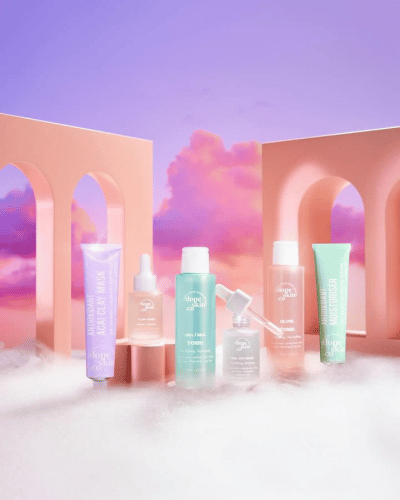
Sunflower seed oil is in our Vitamin C Antioxidant Elixir with CoQ10, listed second after caprylic/capric triglyceride. We use it as an emollient, a plant oil that helps the Elixir feel soft on the skin.
When an oil has human data behind it, that is a good reason to pick it over one that only sounds nice.
Who is sunflower seed oil good for?
Most skin types that like an oil-based moisturiser, especially dry skin. Be careful if you are allergic to sunflower or other seeds, or have reacted to a plant oil before. Some people find a face oil too rich, which is a matter of preference rather than safety.
The Elixir also contains sweet almond oil, which matters if you have a nut allergy.
How do you use it?
You will usually meet it as one ingredient in a blend, so follow the product directions. If you are adding a new oil-based product, patch test first. Our patch testing guide walks through it.
What does it pair with?
Other plant oils such as hemp seed oil, jojoba oil and sweet almond oil. Nothing needs to be kept away from it. Introduce one new product at a time so you can tell what a reaction came from.
Is sunflower seed oil safe?
The CIR Expert Panel concluded in 2017 that the 244 plant-derived fatty acid oils it assessed are safe as used in cosmetics. Many are edible and have low systemic toxicity potential, so the report focused on effects on skin.
Plant oils are often paired with a form of vitamin E to protect them from oxidation. If you see tocopheryl acetate on a label, our tocopheryl acetate guide explains that stable ester.
Ready to find a routine that suits your skin? Take the skincare quiz.
FAQ
Is sunflower seed oil good for dry skin?
It is an emollient and mild occlusive, and in the 2013 forearm study it improved hydration without redness in adult volunteers.
Is it better than olive oil on skin?
In the same 2013 study, sunflower seed oil preserved the skin's outer layer while olive oil reduced it. The study was small.
Is it the same as the sunflower oil I cook with?
Same plant. The CIR assessed these oils specifically for use on skin.
Is it safe to use every day?
The CIR found it safe as used in cosmetics. Everyone's skin differs, so stop if you notice irritation.
Related ingredients
Hemp seed oil, jojoba oil, sweet almond oil, rosehip oil and vitamin E.
Sources
- Burnett CL, et al. Safety Assessment of Plant-Derived Fatty Acid Oils. International Journal of Toxicology 2017;36(3_suppl):51S-129S. Full text
- Danby SG, et al. Effect of olive and sunflower seed oil on the adult skin barrier: implications for neonatal skin care. Pediatric Dermatology 2013;30(1):42-50. Record