Article: Talc in Skincare: What It Is and the Asbestos Question
Talc in Skincare: What It Is and the Asbestos Question
Talc is a soft mineral used to absorb moisture and add a silky feel, and the real concern is not talc itself but possible asbestos contamination in the ground it is mined from. We do not use talc in any current Dope Skin Co product.
TL;DR
- What it is: A naturally occurring mineral, hydrous magnesium silicate, ground into a fine powder.
- What it does: It absorbs moisture, prevents caking, makes makeup opaque and improves feel.
- The concern: Talc and asbestos can occur close together in the earth, so purity testing matters.
- The cancer question: The FDA says older studies on genital powder use have not conclusively shown a link to ovarian cancer.
- Our products: None of our current ingredient lists names it.
What is talc?
Talc is a naturally occurring mineral made of magnesium, silicon, oxygen and hydrogen, which the FDA describes as a hydrous magnesium silicate.
It is mined, then milled into a very fine, soft powder. Its chemical formula is Mg3Si4O10(OH)2.
You will meet it in pressed and loose powders and some makeup, because it is smooth and absorbent.
What does talc do in skincare and makeup?
Talc absorbs moisture, prevents caking, makes facial makeup opaque and improves the feel of a product, according to the FDA.
That is why it shows up in powders and makeup more often than in serums or creams.
Other mineral powders do similar jobs. Here is how a few compare.
| Ingredient | Main job | Good to know |
|---|---|---|
| Talc | Absorbs moisture, adds slip | Purity testing matters |
| Kaolin clay | Absorbs oil, gentle clay | In our clay mask and scrub |
| Zinc oxide | Mineral sunscreen filter | Covers skin, different role |
| Bentonite clay | Strongly absorbent clay | Used in masks |
Why does asbestos come up with talc?
Asbestos comes up because talc and asbestos are both naturally occurring minerals that can be found close together in the earth.
The FDA describes asbestos as a known carcinogen when inhaled and notes the potential for talc to be contaminated with it.
A 2009 to 2010 FDA survey found no asbestos fibres or structures in the samples tested. The FDA says that did not prove most or all talc products are asbestos-free, because only four of nine suppliers sent samples.
The agency ran further testing in 2019, 2021, 2022 and 2023, and a 2019 recall of a baby powder for asbestos is listed on its talc page.
In the United States, a proposed 2024 rule on asbestos testing methods for talc cosmetics was withdrawn in November 2025 so the FDA could consider comments before issuing final rules.
Does talc cause cancer?
The FDA says earlier studies suggested a possible link between genital use of talc powders and ovarian cancer, but they have not conclusively demonstrated one.
The evidence level is unsettled, and more research is needed. That is a fair reason to be cautious, and a poor reason to assume the worst of every product.
The inhalation point is simpler. Fine loose powder can drift into the air, so if you want to avoid breathing it in, choose pressed products over loose ones.
How do you spot talc on a label?
Talc is listed simply as talc in the ingredient list, so it is easy to find once you look.
Ingredients appear in descending order of amount, so the position of talc tells you roughly how much of the product it makes up.
If you prefer to skip it, many powders use other minerals or starches instead.
Who should go slow with it?
Anyone who uses loose powder daily, or who is choosing products for babies and young children, may prefer to avoid talc-based powders.
If your skin is congested, absorbent powders are not an automatic fix either. Patch test new products and stop if skin feels irritated.
See your GP if you have health concerns about past talc use.
What does Dope Skin Co use instead?
None of our current ingredient lists names talc.
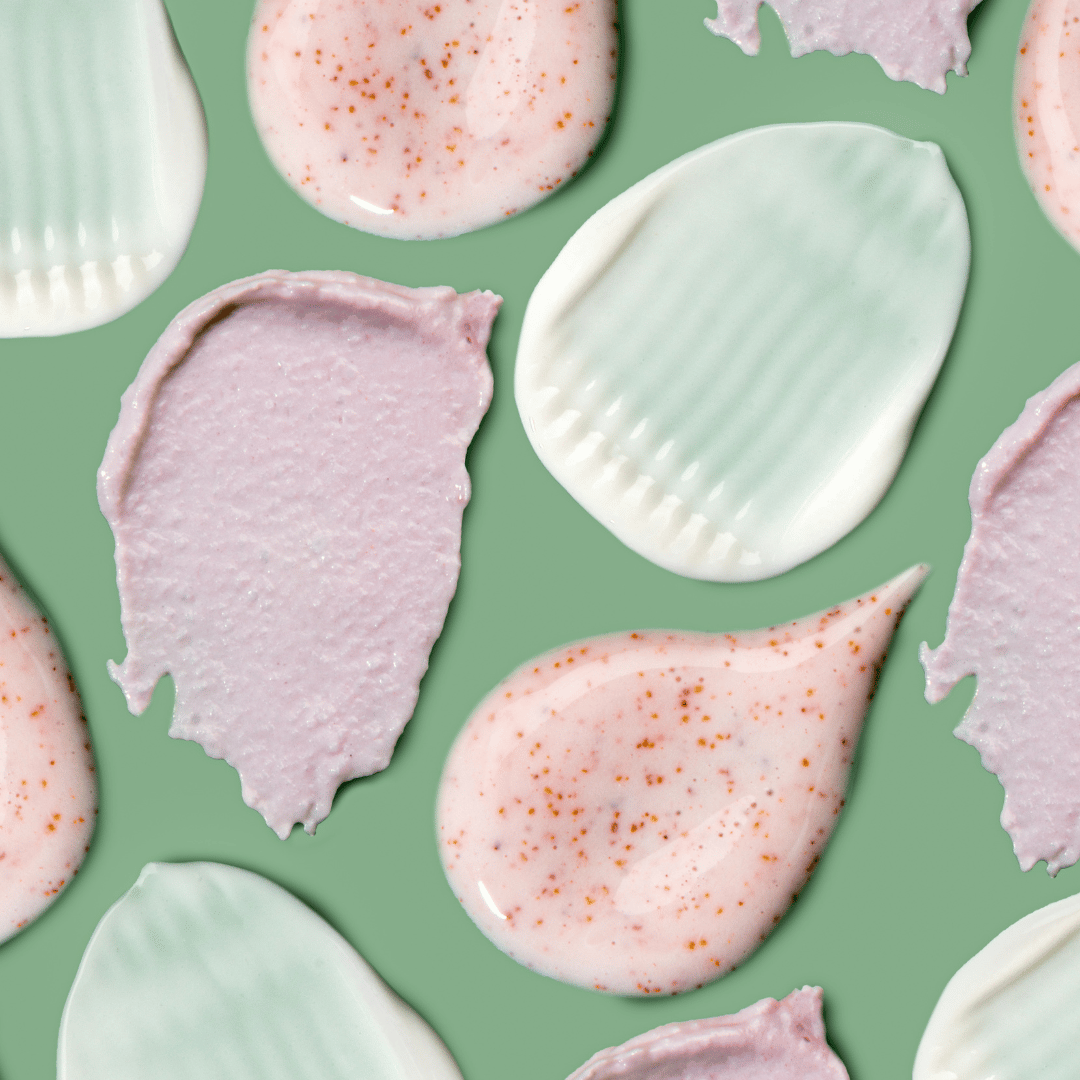
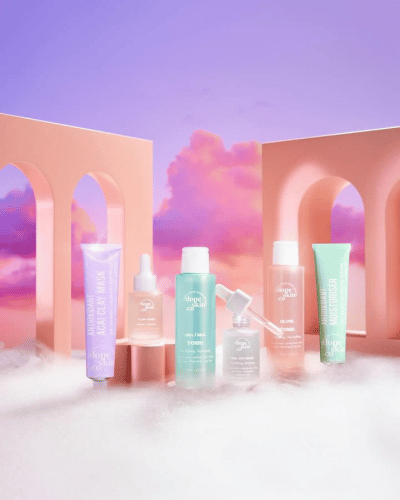
Our absorbent products use kaolin clay in the Antioxidant Clay Mask and the Coco Clay Scrub.
Curious about the other clays? We cover bentonite clay and French pink clay too.
Not sure what suits your skin? Take the skin quiz.
FAQ
Is talc safe in cosmetics?
The FDA says purity is the concern, because talc can occur near asbestos in the earth. The agency has tested products repeatedly, with results published on its talc page.
Is baby powder the same as talc?
Some baby powders are talc-based and some use other powders, so check the ingredient list.
Is talc natural?
It is a naturally occurring mineral, though that says nothing about safety. Natural and safe are different questions.
What can I use instead of talc?
Clays such as kaolin, and mineral powders, do similar jobs in absorbing moisture.