
Hyaluronic Acid for Skin: Benefits, Uses and How It Works
Hyaluronic acid is a humectant that draws water into skin and holds it there, so skin looks plumper and feels softer. It hydrates without adding oil, which is why it suits almost every skin type.
TL;DR
- What it is: A humectant your skin already makes, and skincare versions are typically made by fermentation, not from animals.
- What it does: It draws in and holds moisture, which gives a plumper, smoother look.
- Who it suits: Oily, dry, combination and sensitive skin, because it hydrates without oil.
- How to use it: Apply to damp skin, then seal with a moisturiser.
- What it will not do: It does not fade dark spots, so pair it with an ingredient like niacinamide for that.

What Is Hyaluronic Acid?
Hyaluronic acid is a humectant: an ingredient that draws water in and holds onto it. It is naturally found in your skin already, where it helps keep tissue hydrated and plump.
What goes into skincare formulas is typically derived through fermentation, not animal sources, despite what the name might suggest. The standout property is that it can hold significantly more water than its own weight, which is why it has become the go-to hydrator across nearly every skin type and concern.
What Does Hyaluronic Acid Do for Skin?
It draws in and holds moisture. As a humectant, hyaluronic acid pulls water from the environment (or from deeper skin layers, in humid conditions) and binds it at the surface, keeping skin hydrated rather than just coated.
It supports a plumper, smoother look. Well-hydrated skin appears more supple and can make fine lines from dehydration look less pronounced, though this is a hydration effect, not a wrinkle-erasing one.
It works across skin types. Because it hydrates without adding oil, hyaluronic acid suits oily, dry, and combination skin alike. It is not an ingredient you need to avoid based on skin type.
It layers well with other actives. Hyaluronic acid does not compete with retinol, vitamin C, or acids. It is commonly formulated alongside them because it helps offset the dryness those actives can sometimes cause.

Does Hyaluronic Acid Fade Dark Spots?
No. Hyaluronic acid is a hydrator, not a brightening ingredient, so it will not fade pigmentation on its own.
For dark spots, pair it with niacinamide or browse our dark spots and pigmentation range. Hyaluronic acid then keeps the skin hydrated while those ingredients do the brightening.
Why Does Molecular Weight Matter?
Not all hyaluronic acid behaves the same way. Lower molecular weight versions penetrate deeper into skin, while higher molecular weight versions sit on the surface and form a hydrating film.
Many formulas, including ours, use a blend, so hydration happens at multiple levels rather than just the surface.
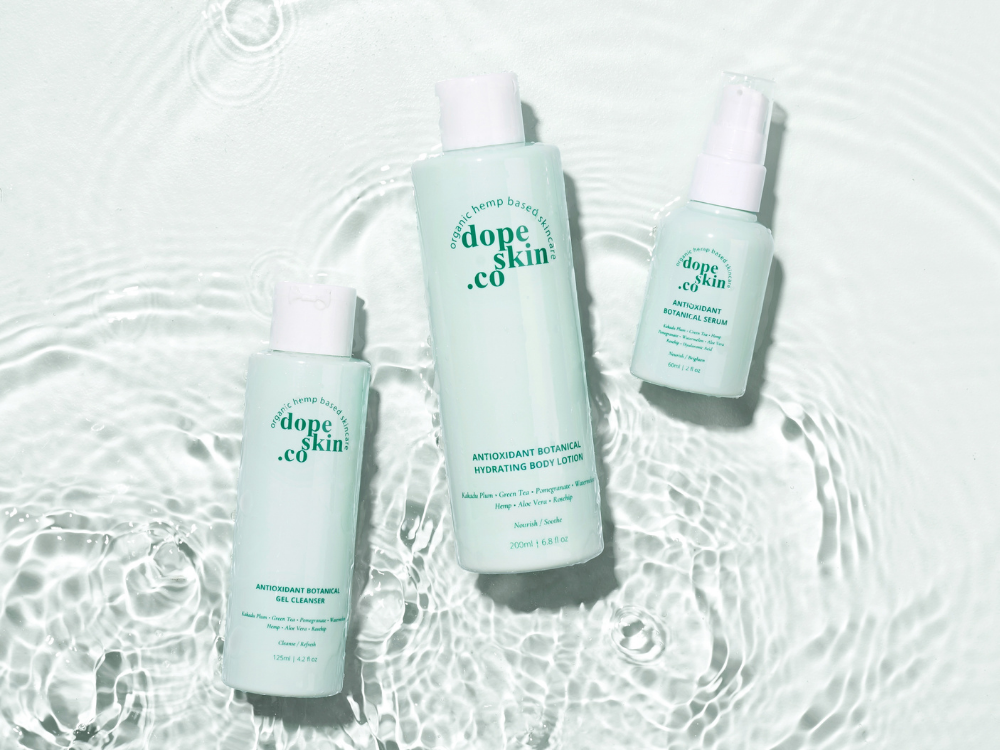
You will find hyaluronic acid in our Antioxidant Moisturiser, Retinol Eye Cream, Retinol & Peptide Night Repair Cream, Botanical Antioxidant Serum, Glow Serum, Calming Collagen Tonic, Calming Collagen Serum, and AHA/BHA Resurfacing Serum. It is one of the most consistent ingredients across our entire range.
Not sure which one fits? Take the skin quiz and we will point you to a routine.

Does Hyaluronic Acid Have Any Downsides?
The one real caveat: in very dry, low-humidity environments, hyaluronic acid can pull moisture from deeper skin layers if there is no water in the air for it to draw from. That can occasionally leave skin feeling drier rather than more hydrated.
The fix is simple: always apply it to damp skin, and follow with a moisturiser to lock the hydration in.
Is Hyaluronic Acid Safe for Sensitive Skin?
Yes, hyaluronic acid is generally very well tolerated and is often recommended for reactive or sensitive skin, since it hydrates without the potential irritation of harsher actives. Side effects are rare and usually mild, such as slight redness.
As always, individual reactions are possible, so patch test if you are introducing any new product. Our sensitive skin range is a good place to start.

How Do You Use Hyaluronic Acid?
- Apply to damp skin, not dry: it needs some water to draw from.
- Follow with a moisturiser: this seals the hydration in.
- Layer it under heavier creams and oils: not over them.
- Use it morning and night: it pairs safely with actives like retinol and vitamin C.
It also works well under the eyes, where it hydrates the delicate skin and softens the look of dehydration lines.
Hyaluronic Acid FAQ
What does hyaluronic acid do for skin?
It is a humectant that draws in and holds moisture, helping skin look and feel more hydrated and plump.
Is hyaluronic acid good for oily skin?
Yes, it hydrates without adding oil, so it suits oily and acne-prone skin as well as dry skin.
Can hyaluronic acid dry out my skin?
In very dry environments it can pull moisture from skin if there is none in the air. Apply to damp skin and follow with a moisturiser to avoid this.
Can I use hyaluronic acid with retinol?
Yes, they are commonly used together, since hyaluronic acid helps offset the dryness retinol can sometimes cause.
Can I use hyaluronic acid with vitamin C?
Yes. They pair well, with vitamin C supporting brightness and hyaluronic acid supporting hydration.
Should I wait for hyaluronic acid to dry before moisturising?
Give each layer a moment to settle, but moisturise while skin still feels slightly damp so the hydration is sealed in.