Benzyl Alcohol in Skincare: Preservative or Irritant?
Benzyl alcohol is an aromatic alcohol used as a preservative, solvent and fragrance ingredient. It is not a drying alcohol like ethanol, and the Cosmetic Ingredient Review (CIR) found it safe in current practices of use and concentration.
TL;DR
- What it is: an aromatic alcohol that works as a preservative, solvent and scent ingredient.
- Not drying: it is a different kind of alcohol from the ethanol that can dry skin out.
- The verdict: the 2017 CIR assessment found it safe in present practices of use and concentration.
- The caveat: the data are too thin to judge safety in products that could be inhaled, such as sprays.
- Allergy: it is a known fragrance allergen, so people with allergies should check labels.
- Our position: we don't currently use it.
What is benzyl alcohol in skincare?
Benzyl alcohol is a colourless liquid with a faint sweet smell that is used to keep products free of bacteria and mould. It also helps other ingredients dissolve and adds a light scent.
It occurs naturally in some plants and essential oils, and the version in skincare is usually made in a lab.
Is benzyl alcohol bad for skin?
Benzyl alcohol is considered safe for most people at the levels used in cosmetics. The CIR 2017 assessment of benzyl alcohol, benzoic acid, its salts and benzyl benzoate concluded these ingredients are safe in the present practices of use and concentration.
The same assessment says the data are insufficient to judge safety in products that could be inhaled. That is why aerosol and spray formats are treated with more caution than creams.
Like most preservatives and fragrance components, it can cause a reaction in a small number of people.
Is benzyl alcohol the same as the alcohol that dries out skin?
No. Benzyl alcohol is an aromatic alcohol, a different chemical family from the ethanol and denatured alcohol that can feel drying in toners.
It is also different from fatty alcohols such as cetearyl alcohol, which soften skin and thicken creams.
How does it compare with other preservatives?
| Preservative | Role | Good to know |
|---|---|---|
| Benzyl alcohol | Preservative and solvent | Also a fragrance allergen |
| Phenoxyethanol | Preservative | Widely used, no scent |
| Sodium benzoate | Preservative | Suits slightly acidic formulas |
| Potassium sorbate | Preservative | Often paired with others |
Not sure which ingredients your skin likes? The skin quiz is a good place to start.
How do you spot benzyl alcohol on a label?
It appears as "Benzyl Alcohol", usually in the second half of the ingredient list. Because it is a recognised fragrance allergen, it also appears in the allergen list of some fragranced products.
A typical line might read: Phenoxyethanol, Benzyl Alcohol, Sodium Benzoate, Potassium Sorbate. The list shows order, not strength, so position alone says little about how much is in the product.
What do regulators say about benzyl alcohol?
In the EU, benzyl alcohol is on the list of permitted cosmetic preservatives with a maximum level. It is also one of the fragrance allergens that must be named on the label above set thresholds.
The CIR safety assessment published in 2017 is the main review of its safety in cosmetics.
Who should skip benzyl alcohol or go slow?
If you have a confirmed fragrance or preservative allergy, check labels for benzyl alcohol before you buy. Choose a cream or lotion over a spray, because inhalation data are limited.
Patch test any new product with our patch testing guide. If your skin is itchy, red or keeps reacting, see a GP.
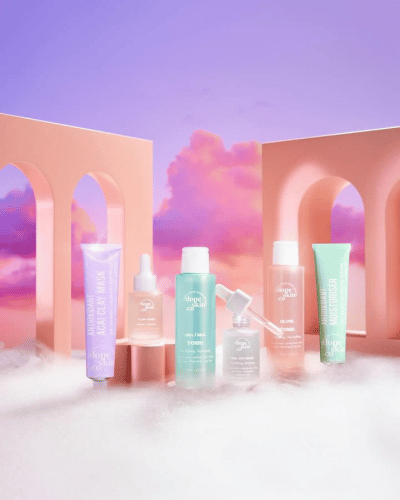
Do we use benzyl alcohol at Dope Skin Co?
We don't currently use benzyl alcohol, and it is not in any of our formulas.
FAQ
Is benzyl alcohol natural?
It occurs naturally in some plants and essential oils, but the version in skincare is usually made in a lab. Natural or not, it behaves the same way on skin.
Is benzyl alcohol a fragrance?
It contributes a light scent, and it is classed as a fragrance allergen. That is why it may be named separately on labels.
Is benzyl alcohol comedogenic?
It is used in small amounts and is not known as a pore-clogging ingredient. If you are prone to breakouts, patch test and introduce products one at a time.