Phenoxyethanol in Skincare: Is It Actually Safe?
Phenoxyethanol has a worse reputation than it deserves. The European Commission's scientific committee (SCCS) considers it safe as a cosmetic preservative at a maximum concentration of 1.0%, and it's one of the most widely used preservatives in the world. Like any ingredient, a small number of people react to it.
What is phenoxyethanol?
Phenoxyethanol (2-phenoxyethanol) is a synthetic preservative. Any product that contains water, such as a cleanser, serum, moisturiser or mask, can grow microbes once it's opened and exposed to fingers, air and humidity. A preservative system is what keeps that product from becoming a risk to your skin and eyes.
Phenoxyethanol rarely works alone. It's often used with other ingredients that support preservation, such as ethylhexylglycerin. Another preservative that is often paired with it is chlorphenesin.
What does phenoxyethanol do for skin?
Nothing, directly. It's not an active and doesn't do anything for the look or feel of your skin.
Its job is to protect the formula. The real question is whether it's worth having in a product, and that comes down to safety at the level used.
Why we use phenoxyethanol
It's one of the preservatives in the products listed below. Our formulator uses phenoxyethanol because water-based products need a preservative system, and this is one that regulators have looked at closely.
Our view: the myth is that "preservative-free" sounds purer. A water-based product with nothing protecting it is the thing to worry about, not a well-studied preservative used within its limit.
Who is phenoxyethanol good for?
Most people use phenoxyethanol in products every day without a problem. A 2019 safety review in the Journal of the European Academy of Dermatology and Venereology describes it as a rare sensitiser despite its widespread use.
A small number of people do react, and a reaction to a product isn't always caused by the preservative. If a product causes stinging, redness or itching, stop using it, patch test the individual products you use, and speak with a doctor, pharmacist or dermatologist if it continues.
Australia's former industrial chemicals regulator (NICNAS) noted in a 2013 assessment that sensitisation may occur in susceptible individuals. Avoid prolonged eye contact with products containing it. If you have a confirmed sensitivity to phenoxyethanol, check the full ingredient list of every product and choose accordingly.
How do you use it?
You don't use phenoxyethanol directly. It's part of the formula, and the product directions apply. Look after the preservative system by keeping lids closed, using clean hands or a clean spatula, and keeping products away from water and heat.
What does it pair with?
Phenoxyethanol is built into the formula alongside other preservation-supporting ingredients, so it's not something you combine separately in your routine. Layer your products the way you normally would.
What does the research say?
The short version: well studied, with assessments from the EU, the US and Australia.
- SCCS opinion on phenoxyethanol, SCCS/1575/16 (European Commission, 2016): the 1.0% maximum for use as a preservative in cosmetics.
- Safety review of phenoxyethanol when used as a preservative in cosmetics (Dréno et al., J Eur Acad Dermatol Venereol, 2019): describes a 1% maximum, no systemic effects in animal studies except at exposures far above consumer exposure, and rare sensitisation.
- Final Report on the Safety Assessment of Phenoxyethanol (CIR, J Am Coll Toxicol, 1990): concluded it is safe as a cosmetic ingredient in the practices of use and concentration at the time.
- 2-Phenoxyethanol, human health tier II assessment (NICNAS, Australian Government, 2013): minimal expected public health risk from cosmetic use at reported concentrations; sensitisation possible in susceptible individuals.
Safety and regulation
- SCCS (SCCS/1575/16, adopted 6 October 2016): "The SCCS considers 2-phenoxyethanol safe for use as a preservative with a maximum concentration of 1.0%." In reaching this, the committee reduced the default toxicokinetic factor, giving a minimum margin of safety of 25 rather than 100, and noted that a margin of safety of about 50 for children also covers that age group. The opinion has a limit: it considers cosmetic exposure and does not account for exposure from other sources.
- US CIR (1990): the expert panel's Final Report on the Safety Assessment of Phenoxyethanol concluded it is safe as a cosmetic ingredient under the practices of use and concentration at the time.
- Australia, NICNAS (2013): the assessment expected minimal public health risk from cosmetic use at the concentrations reported internationally, and noted that the EU, New Zealand and ASEAN allow it as a cosmetic preservative at up to 1% in ready-for-use products. It also noted that sensitisation may occur in susceptible individuals.
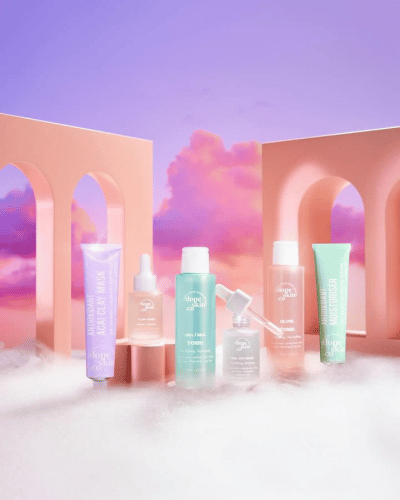
Phenoxyethanol in Dope Skin Co products
It's listed in these products:
- Antioxidant Gel Cleanser
- Botanical Antioxidant Serum
- Antioxidant Moisturiser
- Acai Purifying Clay Mask
- Coco Clay Exfoliating Face Scrub
- Retinol Eye Cream with Vitamin C & Peptides
Our Glow and AHA/BHA products list sodium benzoate as their preservative instead, and the Retinol & Peptide Night Repair Cream uses potassium sorbate with glyceryl caprylate and glyceryl undecylenate. We make our products in-house in Sydney.
Not sure where to start? Take our skincare quiz.
Frequently asked questions
Is phenoxyethanol safe?
The SCCS considers it safe as a preservative at up to 1.0% in cosmetics. That conclusion covers cosmetic use only.
Is phenoxyethanol synthetic or plant-derived?
It's a synthetic preservative. Where an ingredient comes from doesn't decide whether it suits your skin, which is why the evidence on safety at the level used matters more.
Why do skincare products need a preservative?
Water-based products can support microbial growth. A preservative reduces the chance of that.
Can I be allergic to phenoxyethanol?
Reactions are possible with any ingredient, although it's described as a rare sensitiser. If you suspect one, patch test and ask a doctor or pharmacist.
Is phenoxyethanol safe for babies?
The SCCS noted that its margin of safety covers children. For babies, ask a paediatrician or pharmacist about any product.
Related ingredients
Sources
- SCCS. Opinion on phenoxyethanol, SCCS/1575/16. European Commission, 2016. Link
- Dréno et al. Safety review of phenoxyethanol when used as a preservative in cosmetics. J Eur Acad Dermatol Venereol 2019. Link
- Final Report on the Safety Assessment of Phenoxyethanol. CIR, J Am Coll Toxicol 1990. Link
- NICNAS. 2-Phenoxyethanol, human health tier II assessment. Australian Government, 2013. Link