
What is Melasma and how can I remove melasma from face naturally?
Melasma causes patches of discoloration on the face, and it usually affects women — particularly those taking birth control or with a family history of melasma. It's caused by an overproduction of melanin. Treatment depends on how widespread it is and what's triggering it, but there are real ingredients that can help fade it and prevent it worsening.

What's the Root Cause of Melasma?
Melasma (also called chloasma) causes dark patches most commonly on the cheeks, forehead, and chin. People with fairer skin tend to be more prone to it than those with darker complexions.
The exact cause isn't fully understood, but it's commonly triggered by hormonal changes — pregnancy, birth control, or hormone therapy — and it runs in families. It's linked to increased melanin production, and sun exposure can make it worse.
How Long Does Melasma Take to Fade?
This varies a lot — anywhere from a few months to a year, depending on severity and what's driving it. It's not a dangerous condition, but it can be persistent, particularly if the underlying trigger (like hormone levels) hasn't changed.
Can Melasma Be Fully Resolved?
Melasma can be genuinely difficult to resolve completely, since it often recurs when hormone levels shift again. That doesn't mean nothing helps — consistent use of the right ingredients can visibly fade it and keep it from progressing, even if "permanently gone" isn't a realistic promise for everyone.
Treatment options range from topical ingredients and serums to in-clinic options like laser therapy and chemical peels. If you want a non-invasive starting point, here are the ingredients worth looking for.
Aloe Vera
Aloe vera gel contains antioxidants, including vitamins A and C, which can help calm inflammation and support an even tone. Read more in our Aloe Vera guide.
Licorice Root
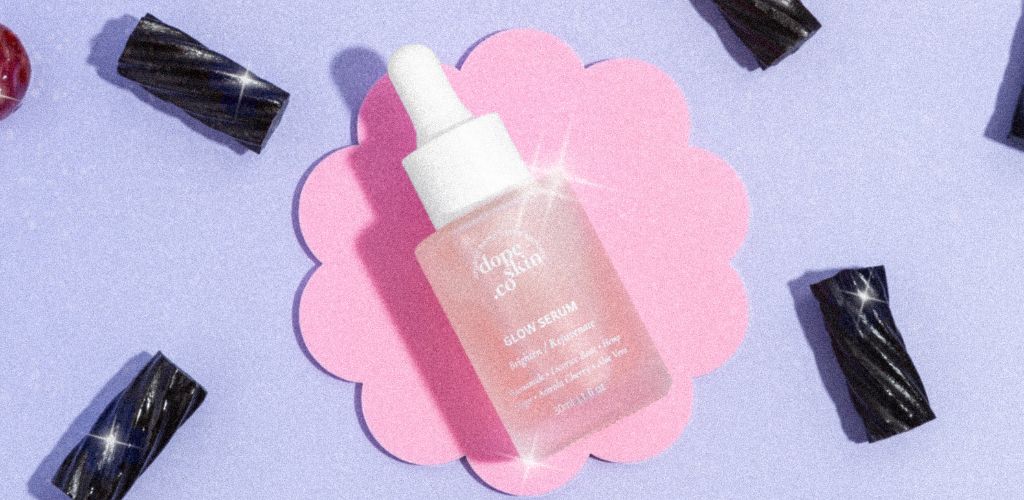
Licorice root is valued for its brightening and anti-inflammatory properties, and it works as an antioxidant that helps protect skin from free radical damage. Read the full breakdown in our Licorice Root guide.
Niacinamide
Niacinamide (vitamin B3) helps reduce the appearance of hyperpigmentation by interfering with how pigment transfers between skin cells — in simple terms, it helps prevent your skin from over-producing visible pigment, which is part of what drives melasma and other dark spots.
Vitamin C
Vitamin C is an antioxidant that can help fade the look of melasma over time. You'll find it naturally in ingredients like Kakadu Plum, and it works well in serum form since it helps brighten while hydrating.
If melasma is a persistent concern, our 3-Step Pigmentation Treatment Kit pairs several of these ingredients — niacinamide, vitamin C, and antioxidant support — in one routine.
Frequently Asked Questions About Melasma
Is melasma the same as regular hyperpigmentation?
Melasma is a specific type of hyperpigmentation, usually hormonally driven and often symmetrical on both sides of the face. General hyperpigmentation (like post-acne marks) can happen for many other reasons too.
Does sunscreen help with melasma?
Yes — UV exposure is one of the biggest triggers for melasma getting worse, so daily SPF is one of the most effective things you can do alongside any treatment.
Should I see a dermatologist for melasma?
If it's widespread, persistent, or affecting your confidence, a dermatologist can offer options like prescription treatments or in-clinic procedures beyond what topical skincare alone can achieve.