

Panthenol (Vitamin B5) for Skin: What It Does and Why We Use It
Panthenol, also known as provitamin B5, is a hydrating, skin-conditioning ingredient that gets along with almost everything else in your routine. It's a comfort ingredient rather than a headliner, and we think that's exactly what makes it worth looking for on a label.
What is panthenol?
Panthenol is the alcohol form of pantothenic acid, which is vitamin B5. On an ingredient list you'll see it as "Panthenol", "Pro-Vitamin B5" or "Vitamin B5". Most of the research uses dexpanthenol, the D-form of panthenol, so you'll see that name in the studies below.
Once it's on the skin, panthenol can be oxidised to pantothenic acid. The CIR safety assessment reports this, and the Gorski review describes topical dexpanthenol as rapidly converted to pantothenic acid.
What does panthenol do for skin?
It hydrates. Panthenol is a humectant, which means it attracts and holds water. In a review of dexpanthenol after medical and cosmetic interventions (Gorski et al., Pharmaceuticals, 2020; the authors include Bayer employees and Bayer funded it), the authors describe it as a moisturiser and skin barrier enhancer that increases water content in dry skin.
It supports your barrier. A randomised controlled study in the Journal of Dermatological Treatment (2002) used sodium lauryl sulphate to irritate skin, then compared dexpanthenol cream with a vehicle cream and with untreated skin.
Dexpanthenol cream accelerated barrier repair, raised hydration more and reduced roughness more. It also reduced redness, while the vehicle did not.
It leaves skin feeling softer. Panthenol is used to leave skin feeling softer and smoother. That's a cosmetic effect on how skin feels and looks, not a treatment for a skin condition.
Why we use panthenol
Panthenol is listed in many of our products. Our formulator likes it as a hydrator that sits comfortably alongside other hydrators.
Our view: the best routines aren't the ones with the most powerful ingredients. They're the ones your skin tolerates day after day, and a reliable hydrator helps with that.
Who is panthenol good for?
Most skin types. Panthenol is a hydrator rather than an exfoliant or a retinoid, which makes it a common choice for dry, tight-feeling or easily irritated skin.
A little care is still sensible. Any ingredient can disagree with someone, and a reaction can come from another part of the formula. If you have a known allergy, are reacting to a product or have a skin condition, patch test and speak with a doctor or pharmacist.
How do you use it?
Panthenol is built into formulas rather than used alone, so follow the directions on your product. A few practical points:
- Apply hydrating products to clean skin, then follow with moisturiser to help hold the water in.
- Panthenol layers easily with other ingredients, so it rarely needs special timing.
- If a new product stings, stop using it and go back to a simple routine.
What does it pair with?
Plenty. Panthenol pairs well with hyaluronic acid, glycerine, ceramides, allantoin and niacinamide, which are all aimed at hydration and comfort. It's often included in formulas that contain exfoliating acids or vitamin A. It doesn't need to be kept apart from any specific ingredient, but the product directions always come first.
What does the research say?
The short version: solid supporting evidence, mostly from dexpanthenol creams.
- Proksch and Nissen, Dexpanthenol enhances skin barrier repair and reduces inflammation after sodium lauryl sulphate-induced irritation (J Dermatolog Treat, 2002): a randomised study comparing dexpanthenol cream, vehicle and untreated skin.
- Gorski et al., Dexpanthenol in Wound Healing after Medical and Cosmetic Interventions (Pharmaceuticals, 2020): a review covering moisturising and barrier findings.
- Scott et al., Safety Assessment of Panthenol, Pantothenic Acid, and Derivatives as Used in Cosmetics (CIR Expert Panel, Int J Toxicol, 2022): the safety conclusion, use concentrations and the conversion of panthenol to pantothenic acid in skin.
These studies test dexpanthenol in specific creams. They don't measure the effect of any Dope Skin Co product, so treat them as a good reason the ingredient is worth having, not a promise.
Safety and regulation
The Cosmetic Ingredient Review (CIR) Expert Panel concluded that panthenol, pantothenic acid and five derivatives (panthenyl ethyl ether, panthenyl ethyl ether acetate, panthenyl triacetate, calcium pantothenate and sodium pantothenate) are safe in cosmetics in the present practices of use and concentration described in its 2022 assessment. In the industry survey it cites, panthenol was reported at up to 5.3% in body and hand products and 5% in skin cleansing products and hair conditioners. The report also states these ingredients are not restricted under the EU rules governing cosmetic products.
Panthenol isn't a common allergen, but reactions happen. The CIR report notes that 23 of 3,301 patch-tested patients (0.7%) reacted to D-panthenol at 5%, and that contact allergy has been described in case reports, including to leave-on products. Another good reason to patch test.
Research on dexpanthenol often uses creams or ointments at around 5%. The Gorski review describes 5% dexpanthenol formulations in a study of freshly tattooed skin, where transepidermal water loss was markedly reduced. Those are specialised wound-care settings, so the 5% figure is context, not a recommendation for cosmetic products.
Panthenol in Dope Skin Co products
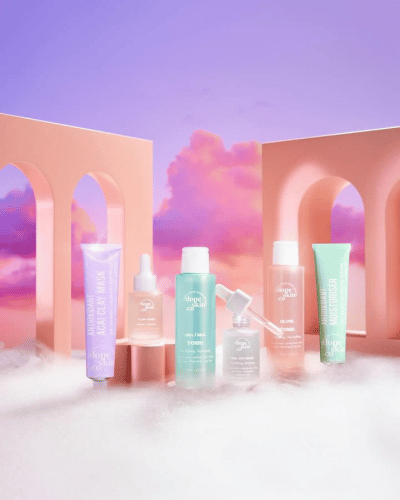
Panthenol is listed (as Panthenol, Pro-Vitamin B5 or Vitamin B5) in many of our products. Examples:
- Antioxidant Gel Cleanser
- Botanical Antioxidant Serum
- Antioxidant Moisturiser
- Glow Tonic
- Glow Serum
- Calming Collagen Serum
- AHA/BHA Resurfacing Serum
- Retinol Eye Cream with Vitamin C & Peptides
- Retinol & Peptide Night Repair Cream
We make our products in-house in Sydney, and panthenol sits alongside other hydrators in them. See each product page for the full list and directions.
Frequently asked questions
Is panthenol the same as vitamin B5?
Panthenol is the alcohol form of pantothenic acid (vitamin B5). In skincare, "Vitamin B5" and "Pro-Vitamin B5" on a label usually refer to panthenol.
What is the difference between panthenol and dexpanthenol?
Dexpanthenol is the D-form of panthenol and the form tested in most studies. The CIR report notes that panthenol is available as a D- and DL- (mixed) form, and that the vitamin activity of pantothenic acid is limited to the D-form. A label saying "Panthenol" doesn't always say which form is used.
Is panthenol good for dry skin?
It's used as a hydrator, and the studies above report better hydration with dexpanthenol cream than with vehicle cream. Results depend on the full formula.
Can I use panthenol with exfoliating acids or retinol?
Panthenol is commonly included in formulas alongside them. Follow the directions for the specific product.
Does panthenol clog pores?
The CIR report cites only one comedogenicity study, in rabbit skin, which found panthenol at 0.5% non-comedogenic. That isn't a reliable guide for people, so if you're breakout-prone, patch test.
Not sure where to start? Take our skincare quiz.
If you want another soothing ingredient to compare, our guide to colloidal oatmeal explains the research behind it.
For a gentle, chamomile-linked comfort ingredient, our guide to bisabolol covers what it does and who should patch test.
Related ingredients
Sources
- Proksch and Nissen. Dexpanthenol enhances skin barrier repair and reduces inflammation after sodium lauryl sulphate-induced irritation. J Dermatolog Treat 2002. Link
- Gorski et al. Dexpanthenol in Wound Healing after Medical and Cosmetic Interventions. Pharmaceuticals 2020. Link
- Scott et al. Safety Assessment of Panthenol, Pantothenic Acid, and Derivatives as Used in Cosmetics. CIR Expert Panel, Int J Toxicol 2022. Link
